A Very Brief Timeline
China’s robotics adoption has been shaped by rapid industrial
expansion, aggressive technology localization, and accelerating
breakthroughs in motion control, machine vision, and intelligent
manufacturing.
Anecdote: CIIF 2025
"CIIF (China International Industry Fair), held annually in Shanghai since 1999, showcases the entire industrial supply chain. Integrating the functions of exhibitions, trade, awards, and forums, CIIF drives global innovation and collaboration in smart and sustainable manufacturing" — CIIF Website
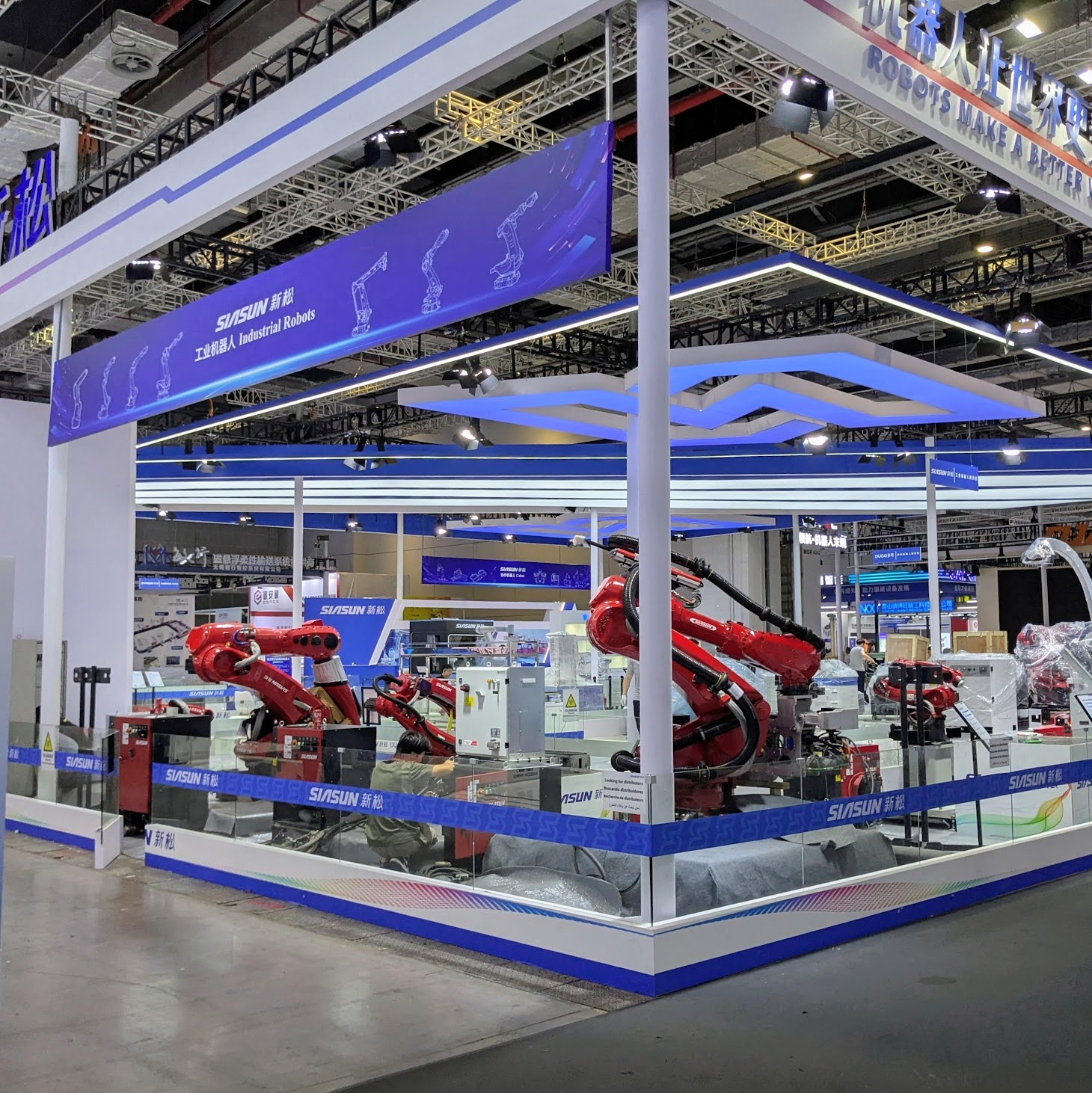
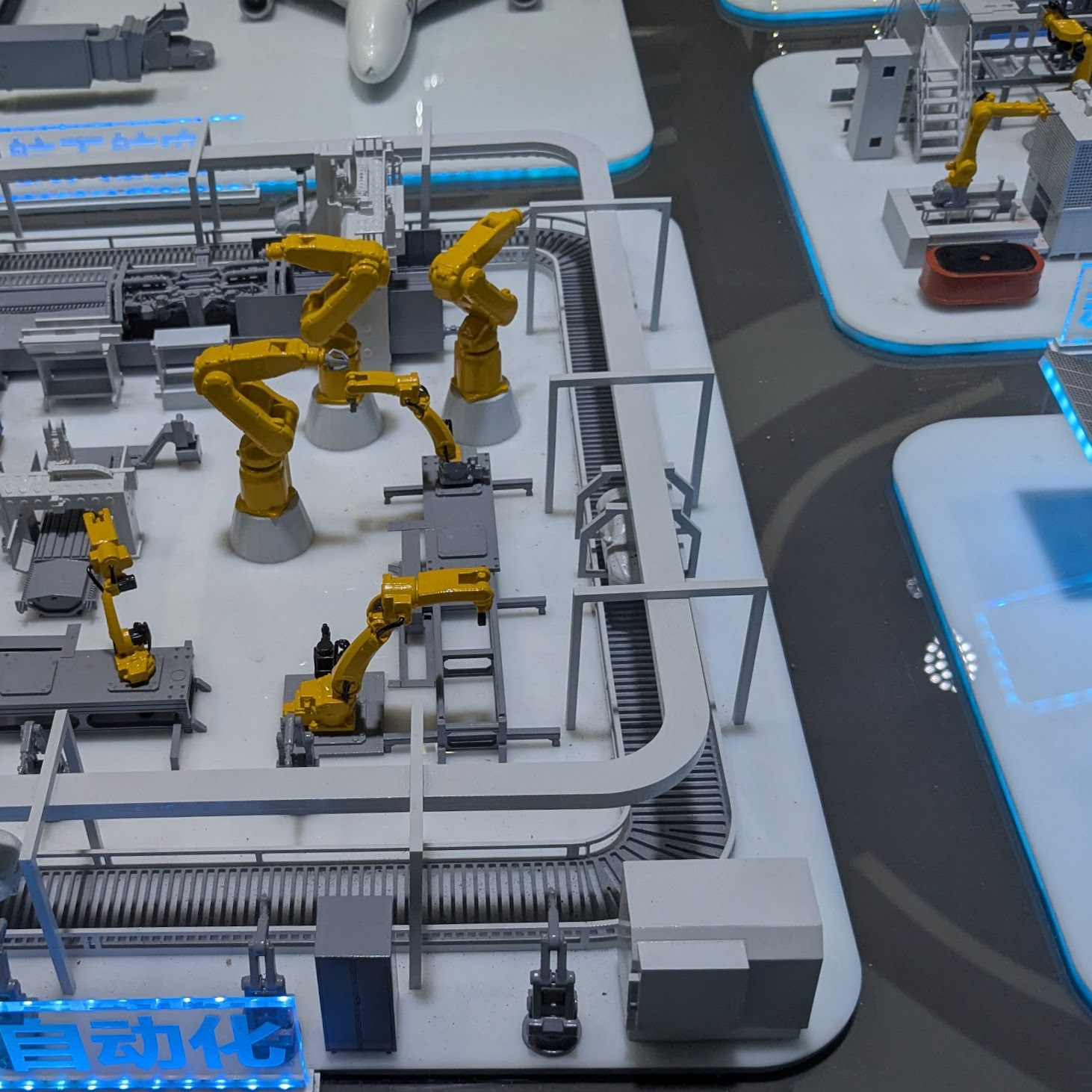
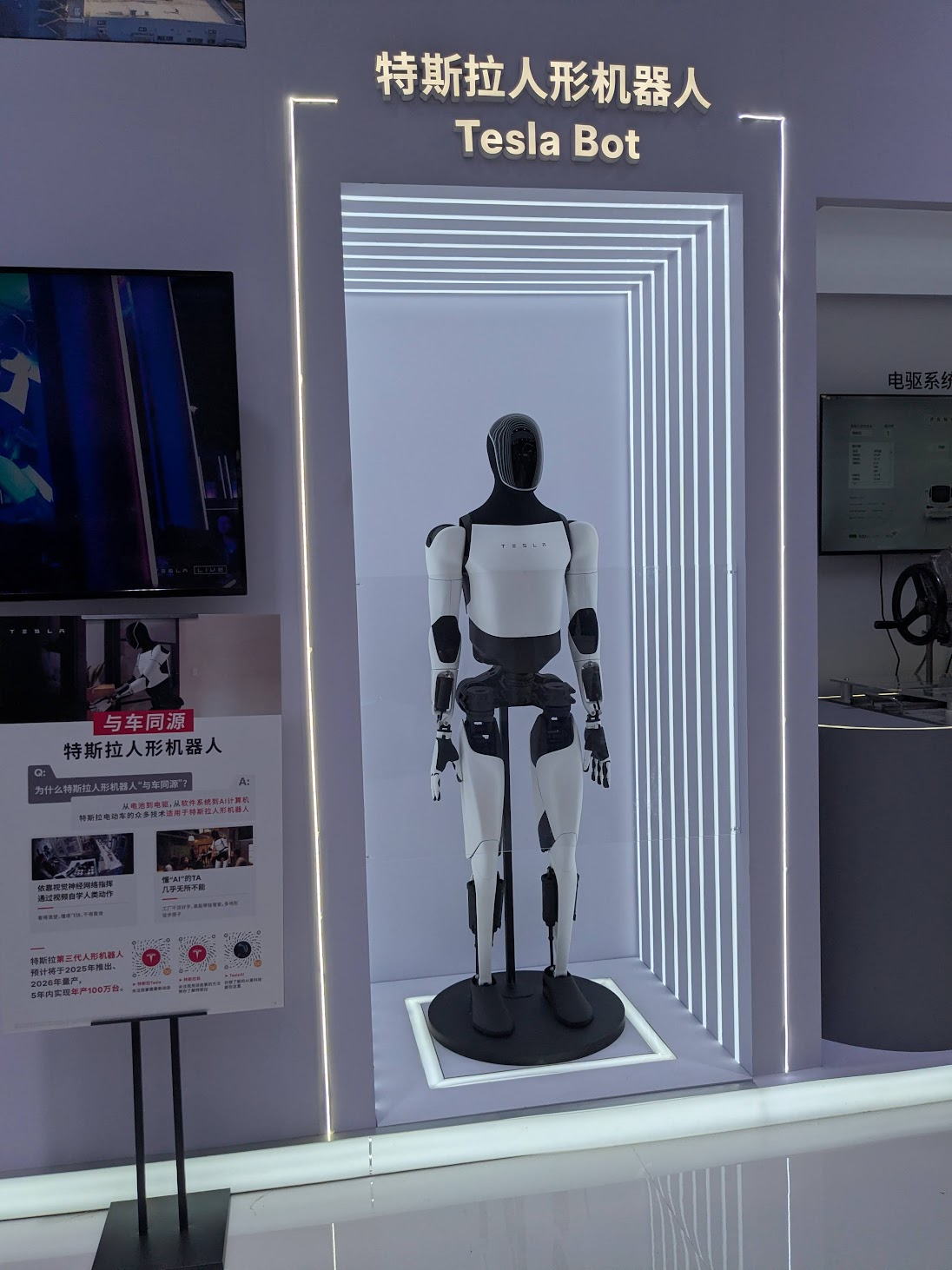
I attended the CIIF and was impressed by the number of companies and trade visitors, all exchanging ideas about industrial tools, automation, robotics, energy, and related fields. It turned out to be an all-day event, and even then I wasn’t able to visit every section. I spent majority of my time at the industrial automation show, robotics show, and information & communication show. One observation stood out: innovation is often focused at the company level rather than across the entire industry. No single robotics company can design and produce every component in its bill of materials (BoM). Even basic components like connectors and wires receive considerable research attention, both commercially and academically. Particularly for precision technology, there were new sensors and actuators that varied in metrics of design and approaches. Some companies focus on cost and materialsm, others on design or space constraints. The exhibits weren’t organized linearly, which also reflected the scale of activity and the level of investment in this area in China.
How China came to invest in manufacturing robotics
Rising labor costs, export-driven competition and deliberate industrial policy pushed factories toward automation. From early pilot projects in the 2000s this became a national priority: robotics promised higher throughput, consistent quality and faster time-to-market.
The broader economic backdrop amplified that shift: after joining the World Trade Organization (WTO) in 2001 China saw a rapid export boom and large inflows of foreign direct investment (FDI) that concentrated production in coastal clusters. Urban migration tightened the rural labor pool and wages began to rise, while global buyers demanded shorter lead times and higher quality—pressures that favored capital- and technology-intensive solutions. At the same time government planning (Five‑Year Plans, industrial subsidies and "upgrading" initiatives) and heavy infrastructure investment supported supplier ecosystems, enabling integrators to move from pilots to scaled automation.
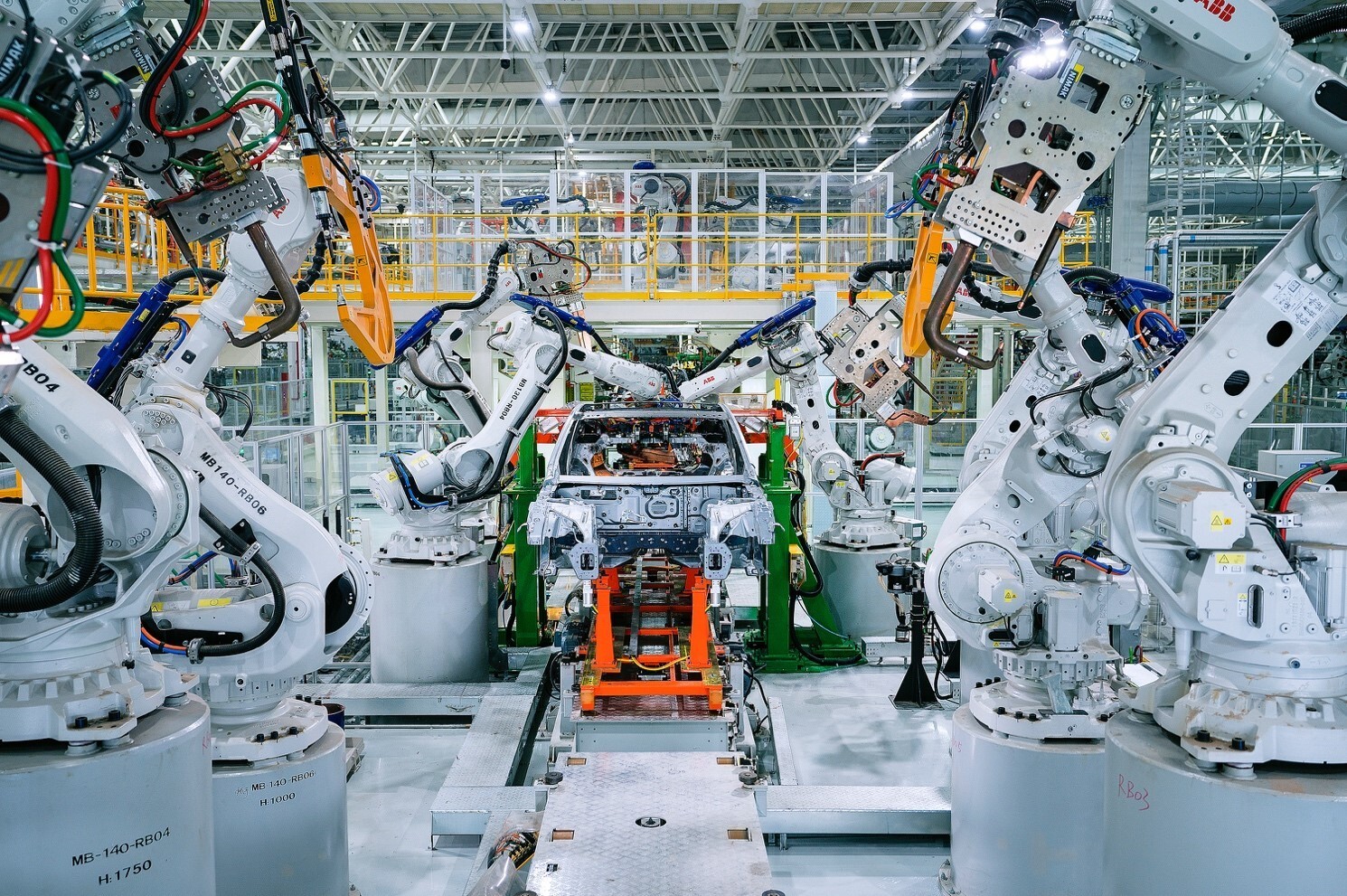
Image source: South China Morning Post / SCMP
Challenges & costs
Adoption required high upfront capital (robots, vision, controls), deep system integration and new skills. Ongoing costs include spare parts, calibration, software updates and downtime during retrofits. Smaller firms often faced longer payback periods and vendor lock‑in.
Maintainability & business decision making
Companies moved from single‑cell pilots to modular, serviceable lines—prioritizing predictable ROI, local service networks and predictive maintenance. Procurement decisions balanced CapEx vs OpEx, integration risk, safety requirements and the ability to retrain staff for higher‑value work.
Key companies & highlights

Siasun — Industrial Robotics
Founded with a focus on factory automation, Siasun develops articulated arms and integrated automation lines for automotive and electronics manufacturers.

Geek+ — Logistics Robotics
A leader in warehouse robotics and intelligent logistics, scaling AMR deployment for e-commerce and distribution centers.

Estun Automation — Motion & Control
Supplies motion controllers, servo systems and robot controllers that enable precise, safe factory automation at scale.

Asia Pro Distribution — Component Distributor
Distributor of automation components and spare parts, supporting local supply chains and aftermarket service for integrators.

Inovance Technology — Motion & Drives
Supplies motion controllers, drives and servo systems that form a key part of China’s robotics components ecosystem.

Lude Harmonic — Precision Gearmakers
Specializes in harmonic‑drive reducers and precision gearing used in robot joints, helping reduce reliance on foreign suppliers.
Unitree Robotics — Agile Platforms
Known for quadruped robots and mobile platforms that showcase a newer generation of agile, field‑deployable robotics.

UBTECH Robotics — Humanoids & Service Robots
Develops humanoid and service‑oriented robots, illustrating robotics applications beyond factory automation.